You saw the date on the calendar, you want to acknowledge it, and the words almost wrote themselves: “Happy death anniversary.” Then you stopped. Something about that sentence feels off, doesn’t it? You are not alone in wondering.
This is one of the most searched questions about remembrance etiquette, and the confusion is completely understandable. Let’s clear it up with kindness and clarity.
- Occasion: Death anniversary (remembrance day)
- Best tone: Gentle, sincere and brief
- Ideal length: 1-2 sentences for a text, a few lines for a card
- Pro tip: Name the person who died - it shows they are truly remembered
- Delivery: Text message, card, or a quiet word in person
The Short Answer: No, “Happy” Doesn’t Belong Here
The short version: drop the word “happy.” The longer version is about why that one word matters so much – and it comes down to what anniversaries are for.
Think of it this way: we say “happy birthday” and “happy wedding anniversary” because those days celebrate joyful beginnings. A death anniversary marks a painful ending. The emotions are fundamentally different, so the language should be too.
What Does “Happy Death Anniversary” Even Mean? 🤔
When people type this phrase into Google, they usually mean one of two things. Either they want to know whether it is an acceptable thing to say to someone, or they are looking for the right words to mark the day themselves.
The phrase itself is a well-meaning mistake. It borrows the cheerful formula of “happy birthday” and applies it to a day of mourning. Nobody says it to be cruel. Most people who say it are trying to show they remembered – which is genuinely thoughtful. The problem is only the packaging, not the heart behind it.
Why the Word “Happy” Feels So Wrong
Language shapes how supported a grieving person feels. Words like “happy,” “congratulations,” or “celebrate” imply joy, and joy is rarely what someone feels on the anniversary of a loved one’s death. Hearing “happy” on such a day can make a grieving person feel unseen, as if the depth of their loss is being glossed over.
Grief experts often point out that grief does not follow a tidy timeline, and anniversary days can reopen emotions even years later. Gentle, acknowledging language – “I remember,” “I’m thinking of you” – validates what the person is feeling instead of accidentally minimizing it.
Death Anniversary vs Remembrance: Which Term Should You Use?
If “death anniversary” itself sounds blunt to you, you are not the only one. Many people prefer softer phrasing. Here is how the common terms compare:
- Death anniversary – direct and widely understood; fine in most contexts.
- Remembrance day – softer; emphasizes honoring rather than loss.
- Memorial anniversary – formal and respectful; good for written tributes.
- Angelversary – informal, mostly used for children or on social media; tender but not universal.
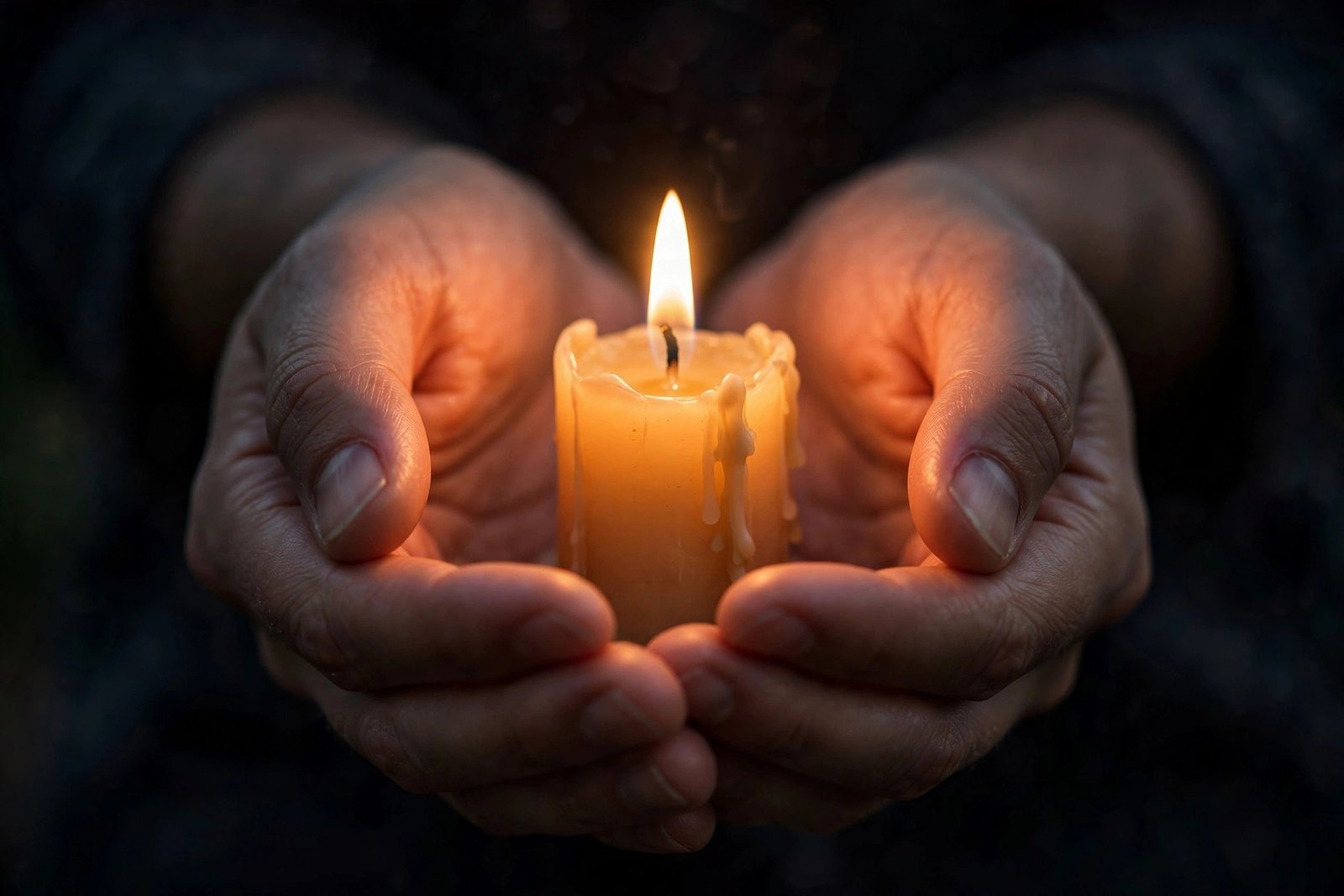
- Yahrzeit – the Jewish observance; use only in that context.
When speaking to someone grieving, “remembrance” language usually feels safest: “I know today is a day of remembrance for your family.”
What to Say Instead: 15 Gentle Alternatives 💛
Here are warm, safe phrases you can use with confidence. For more inspiration, browse these death anniversary messages:
- “Thinking of you today.”
- “Remembering your dad with you.”
- “Holding you in my heart on this difficult day.”
- “I know today marks a year. I’m here.”
- “Your mom is remembered with so much love.”
- “Sending you strength and comfort today.”
- “I lit a candle for your brother today.”
- “May your memories bring you peace.”
- “Wishing you gentle moments of comfort today.”
- “He is gone but never forgotten.”
- “I’m thinking of your family today.”
- “Your grandmother’s kindness lives on in you.”
- “Take all the time you need today. I’m here.”
- “Remembering the wonderful years you shared.”
- “You are not alone in this.”
Death Anniversary Etiquette: 7 Dos and Don’ts
A few simple rules will keep you on safe, caring ground:
- Do acknowledge the day. Silence can feel like forgetting. A short text matters.
- Do name the person who died. It shows they are truly remembered.
- Do keep it brief. Long messages can overwhelm; sincerity beats length.
- Do follow up later. Grief does not end when the anniversary passes.
- Don’t say “happy” anything. Not happy, not congratulations, not celebrate.
- Don’t offer clichés. “Time heals all wounds” and “they’re in a better place” often sting.
- Don’t make it about you. “I know exactly how you feel” centers your story, not theirs.

What If You Already Said It? How to Recover Gracefully
So you already sent the “happy death anniversary” text and now you are cringing. Take a breath – this is fixable, and most people will forgive a clumsy phrase from a caring heart.
Send a quick follow-up: “I realized ‘happy’ was the wrong word – I just wanted you to know I’m thinking of you and remembering your mom today.” That small correction shows self-awareness and genuine care. Then let it go. One awkward phrase does not erase a sincere friendship.
How Different Cultures Talk About Death Anniversaries 🌍
Across cultures, the language of remembrance tends to be reverent rather than cheerful. In Jewish tradition, the yahrzeit is observed with a memorial candle and prayer. In Mexico, Día de los Muertos frames remembrance as a warm reunion rather than a “happy” event. In the Philippines, families gather for padasal prayers on the anniversary. The common thread everywhere: honor, not celebration.
Can You Say “Happy Anniversary” to a Widow or Widower?
A related question comes up every year: a friend’s wedding anniversary arrives, but their spouse has passed away. Should you say “happy anniversary”? The kindest rule: do not ignore the day, but do not say “happy anniversary” either. The word “happy” can sting when the person they celebrated with is gone. Instead, acknowledge what the day means: “I know today is your anniversary. I’m thinking of you and remembering [Name] with you.” If the widow or widower brings up the anniversary warmly themselves, follow their lead – some people like hearing a favorite memory of the marriage. But let them set the tone; your job is to remember, not to cheer.
FAQs About “Happy Death Anniversary”
Is “happy death anniversary” grammatically correct?
Grammatically, the sentence works. Socially and emotionally, it misses the mark. “Correct” here is about sensitivity, not grammar – and by that measure, it is best avoided.
What is the proper term for a death anniversary?
“Death anniversary,” “remembrance day,” and “memorial anniversary” are all proper. Choose the one that feels most natural, and lean toward “remembrance” when speaking to someone grieving.
Can you say “happy” on any remembrance day?
Generally no. Days like Memorial Day or All Souls’ Day are observed with reflection, not cheer. Save “happy” for birthdays and wedding anniversaries.
What should I write in a death anniversary card?
Keep it short: “Thinking of you as you remember your father today. He was a wonderful man, and he is deeply missed.” Sign your name. That is enough. Find more gentle examples in our death anniversary messages collection.
Is it rude to ignore someone’s death anniversary?
Not rude exactly, but a brief acknowledgment is always appreciated. If you remember the date, a two-line message shows care that the grieving person will not forget.
What does “death anniversary” mean exactly?
It is the yearly date marking someone’s passing – a day for remembering and honoring their life. It is observed with reflection, prayer, visits, or quiet personal rituals.
Is it okay to say “happy angelversary”?
‘Angelversary’ is an informal, tender term used mostly on social media or for children – but pairing it with “happy” carries the same risk as “happy death anniversary.” It can sound cheerful about a loss. Safer: “Thinking of your little angel today” keeps the tenderness without the jarring word.
Is “happy heavenly birthday” better than “happy death anniversary”?
Yes – and the distinction matters. A heavenly birthday marks the day the person was born, which is naturally warmer and more celebratory; “happy heavenly birthday” is widely accepted. A death anniversary marks the day they died, which calls for gentler language like “remembering them today.” Match the words to the day: celebrate the birthday, honor the death anniversary.
What should I do if someone says “happy death anniversary” to me?
Assume kind intent – they remembered, which is the hard part, and the wording is a small stumble. You do not owe them a correction; a simple “thank you for remembering” is enough. If it is someone close and you want to guide them, you can say lightly, “I love that you remembered – I usually just say ‘thinking of you’ on this day.” Most people are grateful for the steer.
Conclusion
- “Happy death anniversary” is not correct etiquette – drop the word “happy.”
- Use gentle alternatives: “thinking of you today” or “remembering your loved one with you.”
- “Remembrance” language feels safer and kinder than “death anniversary” in conversation.
- Acknowledge the day, name the person, keep it brief, and follow up later.
- If you already said it, a sincere correction goes a long way.
Learn more in this grief guide.

Hi, I’m Lily Cooper, a relationship content writer at Visstaro.com, where I help readers celebrate love through heartfelt anniversary wishes and meaningful messages.
I believe the right words can make every special moment even more memorable, so I focus on creating genuine, inspiring, and easy-to-share content.
My mission is to help couples express their love with confidence and make every anniversary a celebration to remember.